Yellow, White, or Rose: Choosing Gold for Your Skin
Three golds, one question — which one looks like it belongs on your hand rather than borrowed for the night.
Gold color is less about fashion than about what your skin already does in daylight. Before you compare a yellow band to a white one, hold both against the inside of your wrist near a window. The metal that seems to disappear into your skin is usually the one to trust.
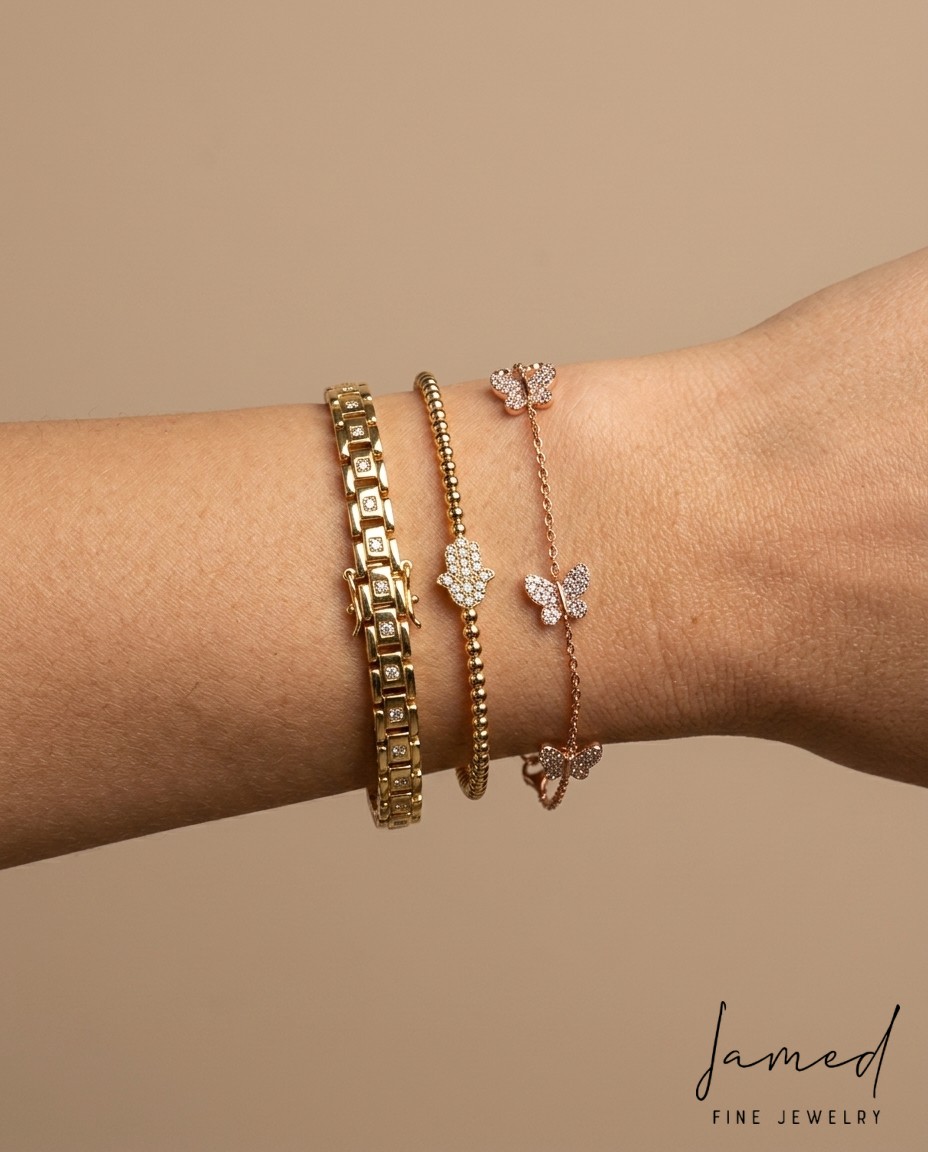
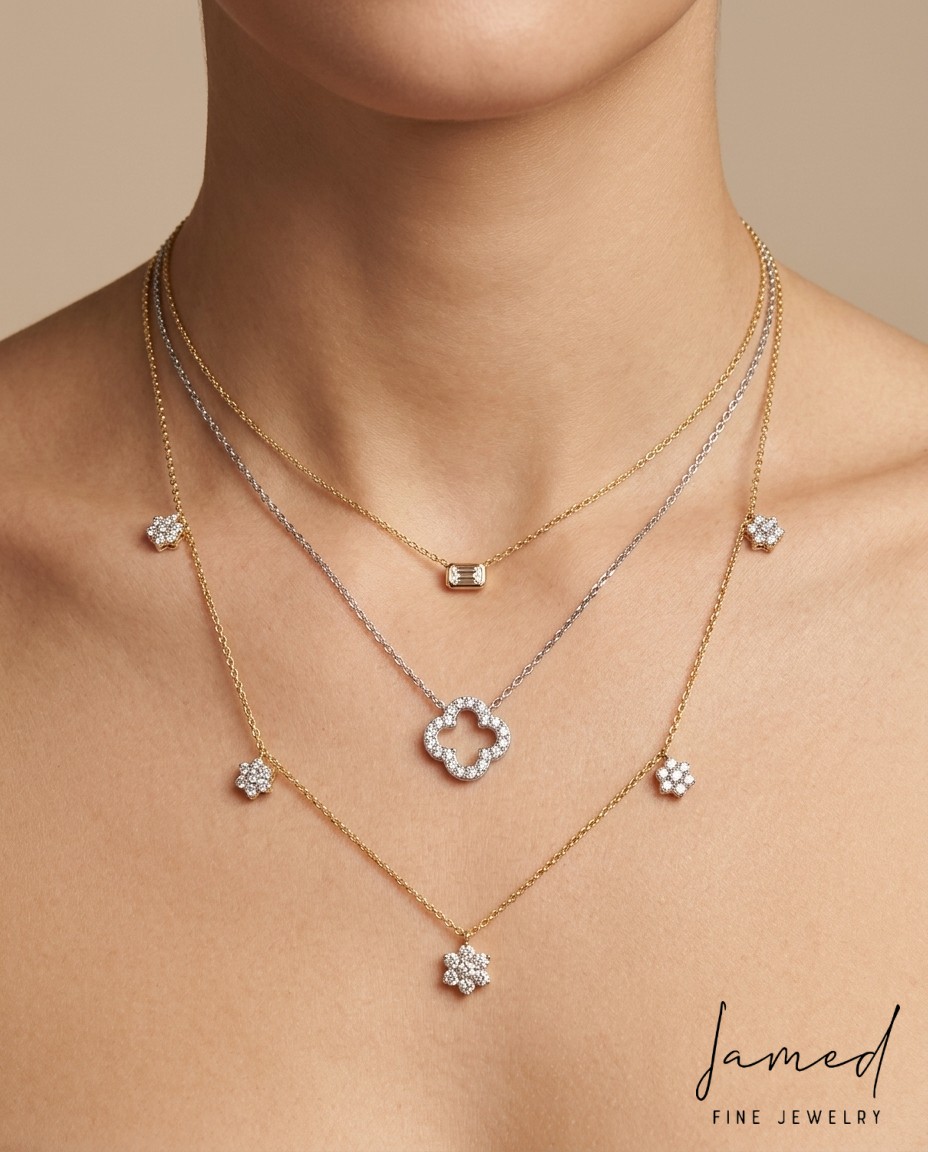
Yellow gold reads warm. On skin with olive or golden undertones, it settles in and looks lived-in, almost inevitable. Against cooler, pink-leaning skin it can feel like a spotlight — not wrong, just louder. That loudness is the point for some people, and worth choosing on purpose.
White gold is the quieter cousin. It behaves like a neutral, which is why it flatters nearly everyone and asks for nothing. The trade-off is honesty: most white gold is rhodium-plated, and that plating wears. Every few years it wants a re-dip to stay bright. If you like a piece you never think about, that upkeep may annoy you. If you like ritual, it won't.
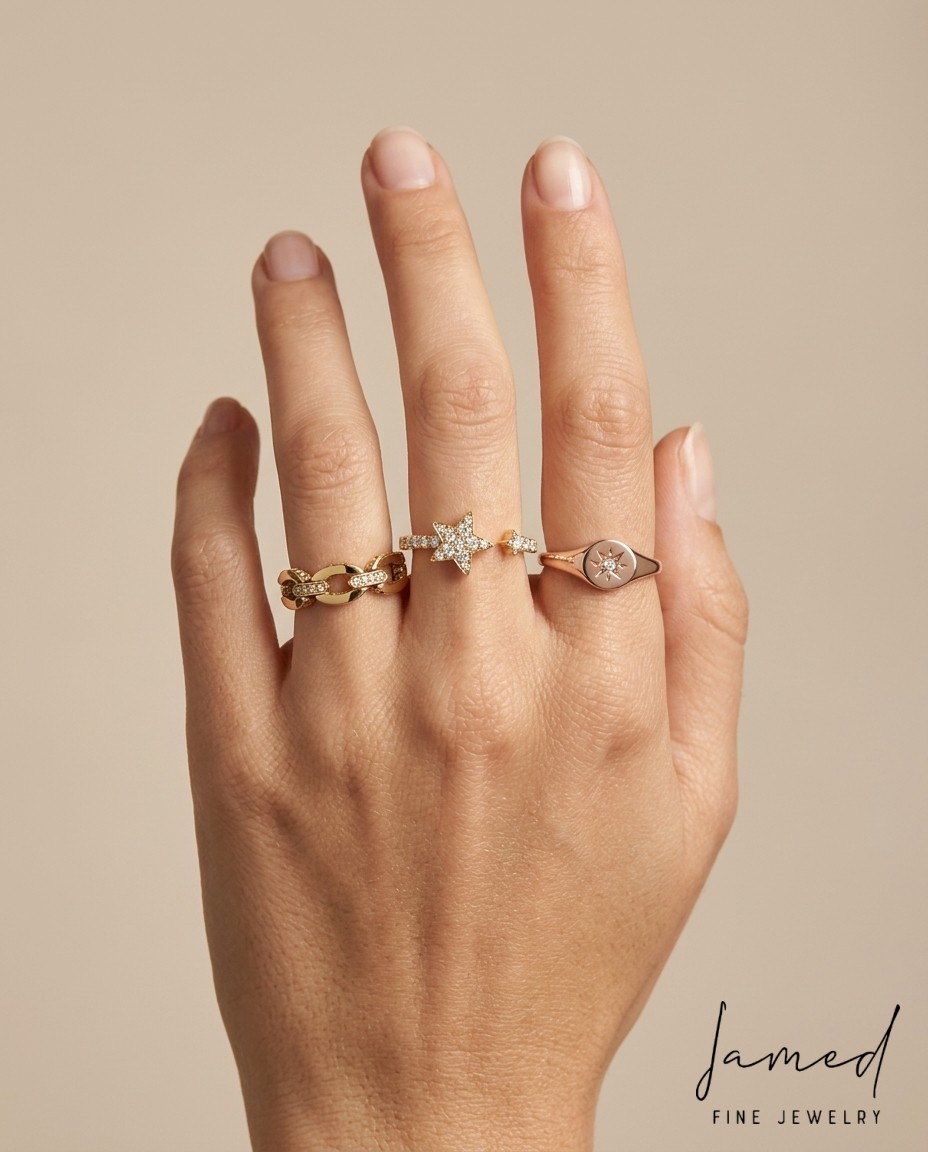
Rose gold sits between them. The copper in the alloy gives it a flush that reads soft on pale skin and rich on deep skin — it is the most forgiving of the three across tones. It photographs warmer than it looks in person, so judge it on your hand, not on a screen.
Wardrobe matters less than people think, but it isn't nothing. Cool blues, grays, and true black lean toward white gold. Cream, camel, rust, and denim lean yellow or rose. If your closet is mostly one temperature, let the gold agree with it rather than argue.
There is no best gold, only the one that stops looking like jewelry and starts looking like yours. Buy the metal you forget you're wearing by noon. That is the one you'll actually keep.