Choose the Gift by the Way It's Built
The pieces she reaches for every morning share a hidden logic: they're engineered to be worn, not admired from a drawer.
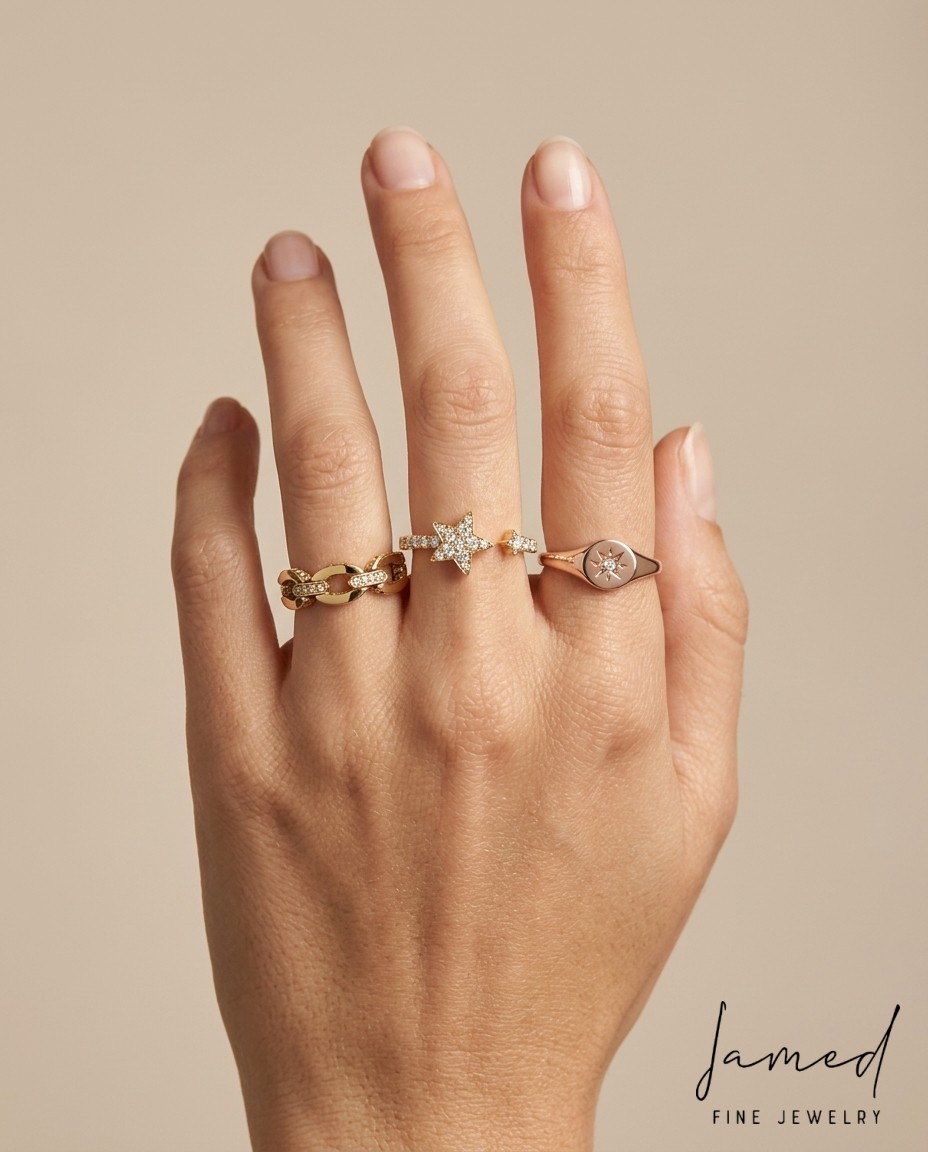
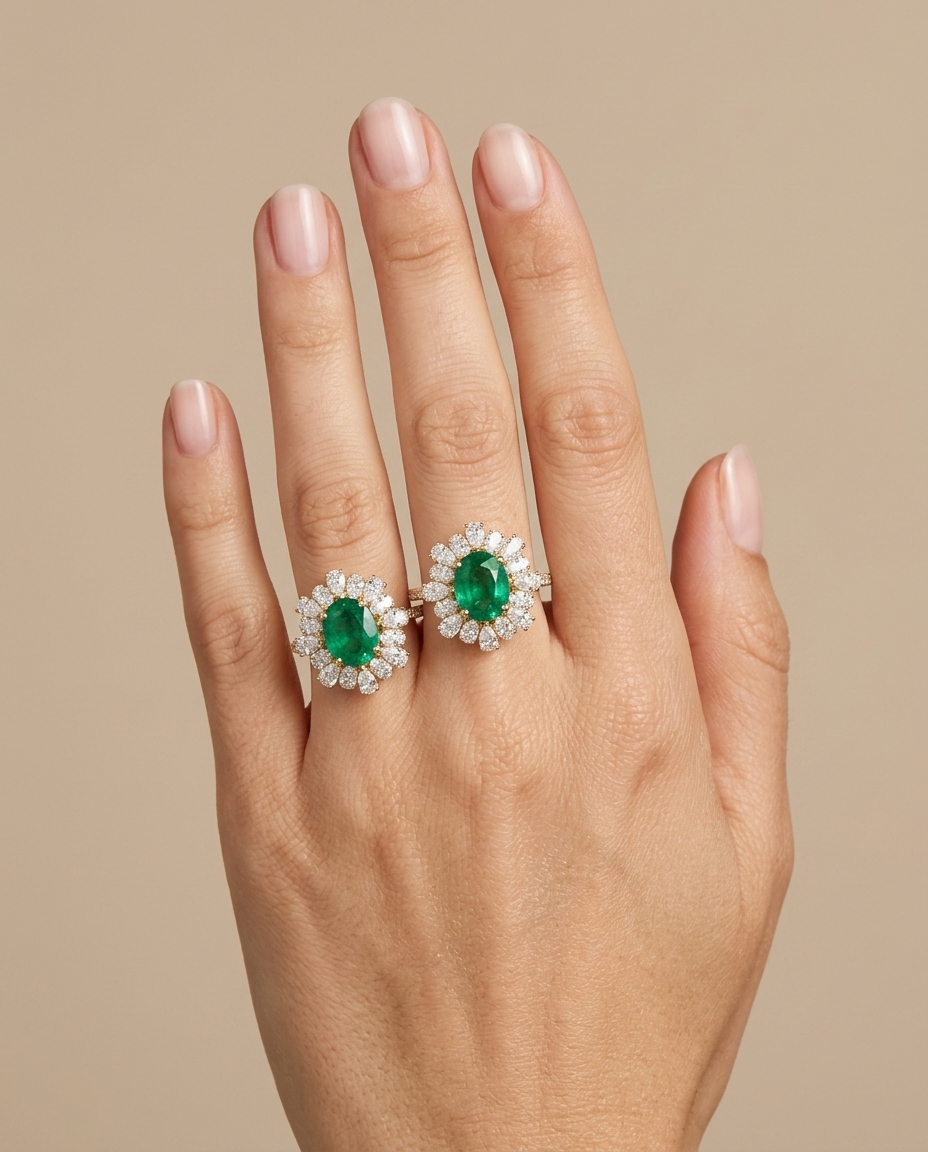
Start under the surface. What a piece is made of and how it's assembled tells you more about whether she'll wear it than any photograph. A ring worn daily lives or dies on the setting. Prongs are the weak point and the tell: four hold a stone with grace but expose more girdle to knocks; six hold tighter and lower. A bezel wraps the stone in a collar of metal and asks nothing of her — no snagged sweaters, no annual tightening. If she works with her hands, that closed wall is the kindness.
Metal is the next decision, and it's a trade. Higher karat gold is softer and warmer in tone; it scratches and it deepens with wear. Lower karat holds an edge longer under a knock. Neither is better. One shows a life, the other resists it. Match the alloy to how she actually moves through a day.
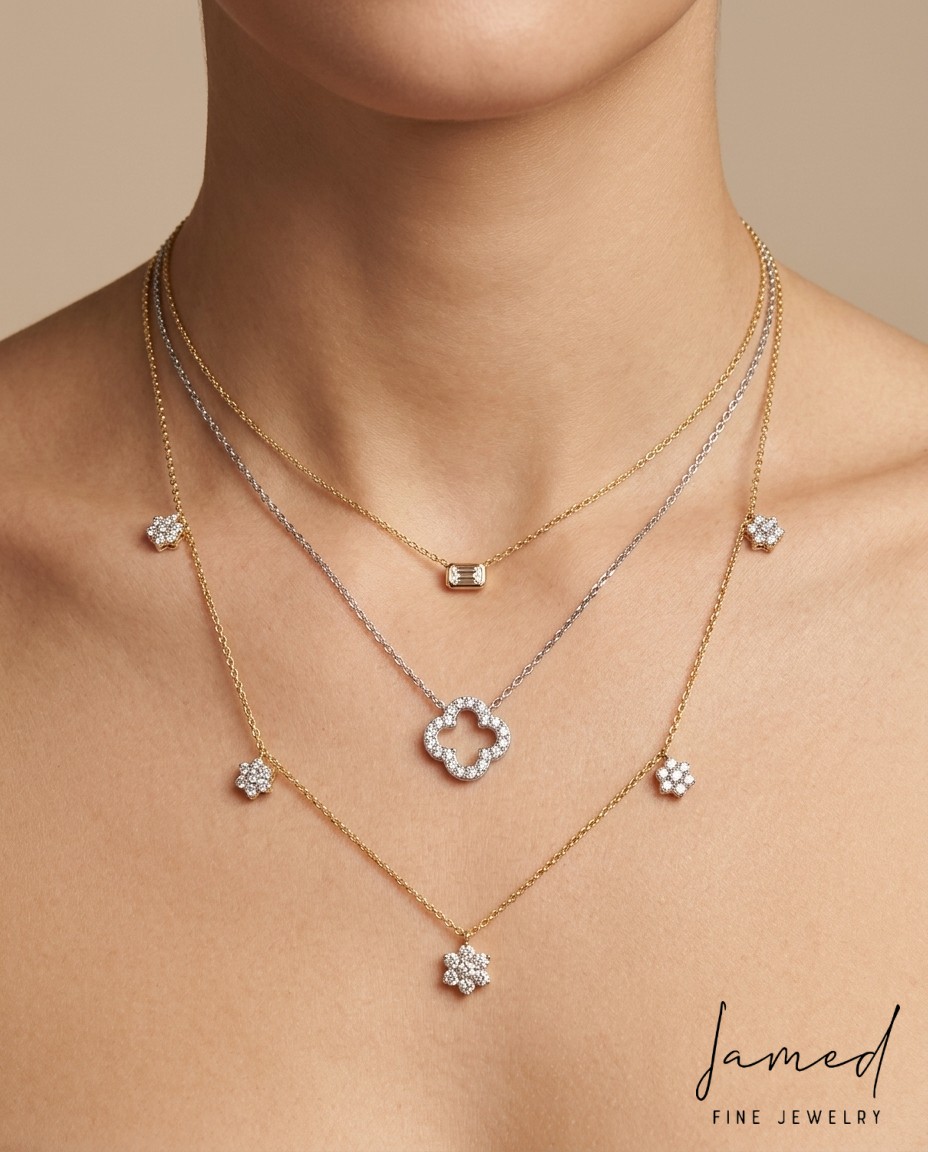
Clasps decide whether a necklace leaves the box. A spring ring is small and fussy against a fingernail; a lobster claw opens under thumb pressure alone. On a bracelet she'll fasten one-handed, that difference is the whole difference.
For earrings, look at the post. Thin gauge threads through an old piercing without argument; a friction back with a notched post stays put on a train.
The lesson underneath all of it: buy for the wrist, the ear, the finger — the mechanics of a real day. A gift she wears is one that was built to be forgotten while it's on.