Cut Does the Work Carat Only Promises
A stone's fire is engineered by angle and proportion, not weight — here's how to read the geometry before you read the ticket.
Start with what a diamond actually is: a lattice of carbon cut into a light machine. Weight tells you mass. It says nothing about how that mass returns light to the eye. Cut does.
A round brilliant carries 57 or 58 facets, and their angles are tuned to a tolerance measured in fractions of a degree. Pavilion angle near 40.5 to 41 degrees, crown around 34, table opening a little over half the stone's width. Get those relationships right and light enters the crown, bounces off the pavilion twice, and comes back up as brightness and fire. Miss them by a degree and the same light leaks out the bottom. The stone goes dull, no matter the weight on the certificate.
This is why two one-carat diamonds can look nothing alike. A wide, shallow stone spreads its carat across a bigger face but leaks light through the base. A well-cut stone of lower weight can read brighter and, on the hand, larger. You are buying the geometry, not the number.
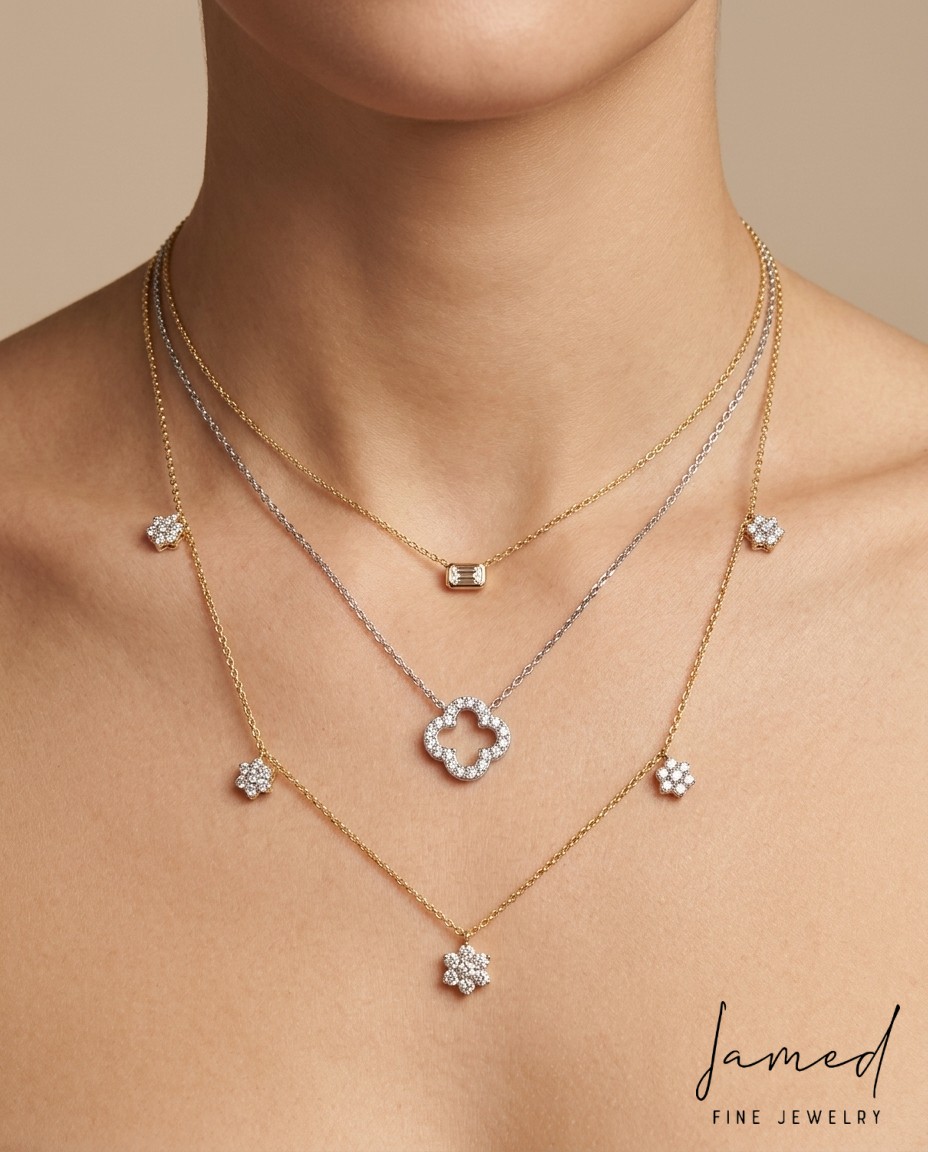
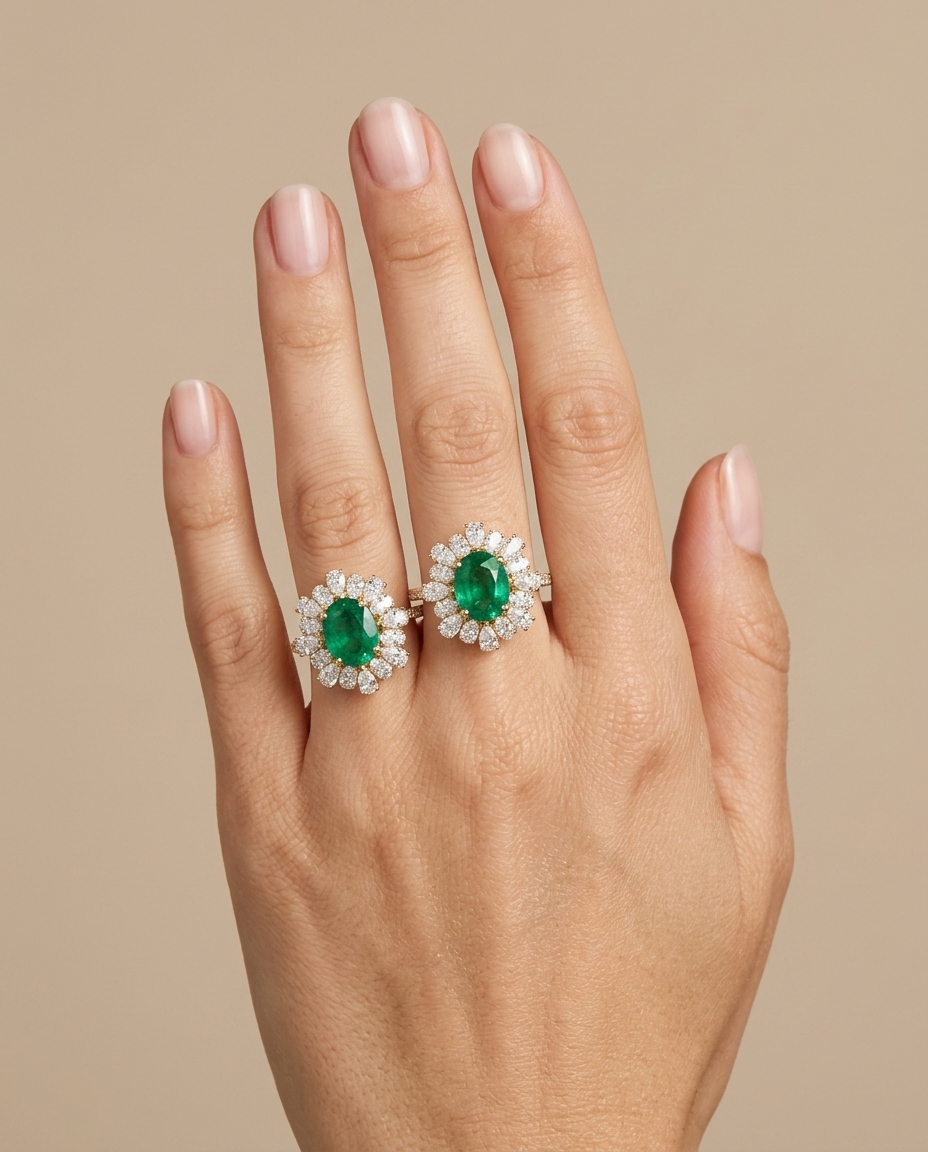
Cut also decides what flatters. A round brilliant scatters light in short, quick flashes — lively against skin. An emerald cut works differently: long parallel facets, a hall-of-mirrors read, quieter and more architectural. Ovals and pears carry weight along their length, so they stretch a finger. Match the shape to the hand and the setting, not to a chart of averages.
So when you compare stones, hold the carat figure last. Ask how the pavilion is angled. Ask where the light goes when it enters. A diamond that is cut well is a diamond that is working — and that work is what you see across a room, long before anyone asks the weight.